
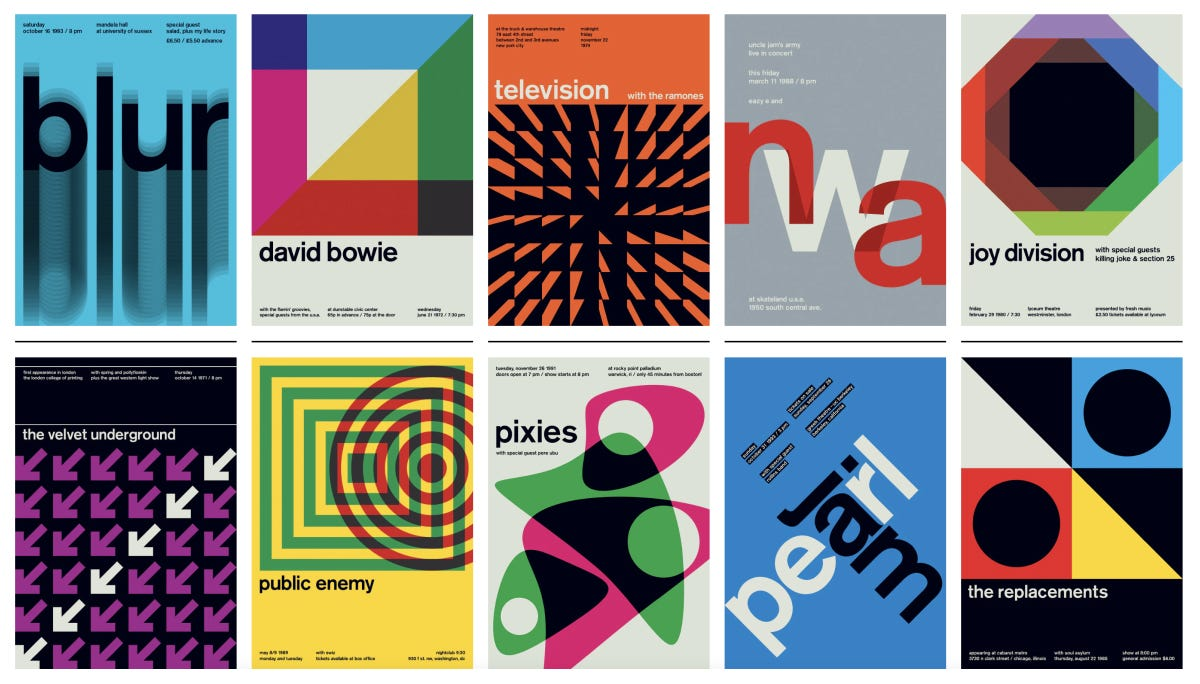
grids grids grids these dang swiss army knife people sure do love they grids. But what even is swiss design and what can it do for me and my familly? For the uninitiated please delve deeper. For the initiated… ughhh ermm uhhh

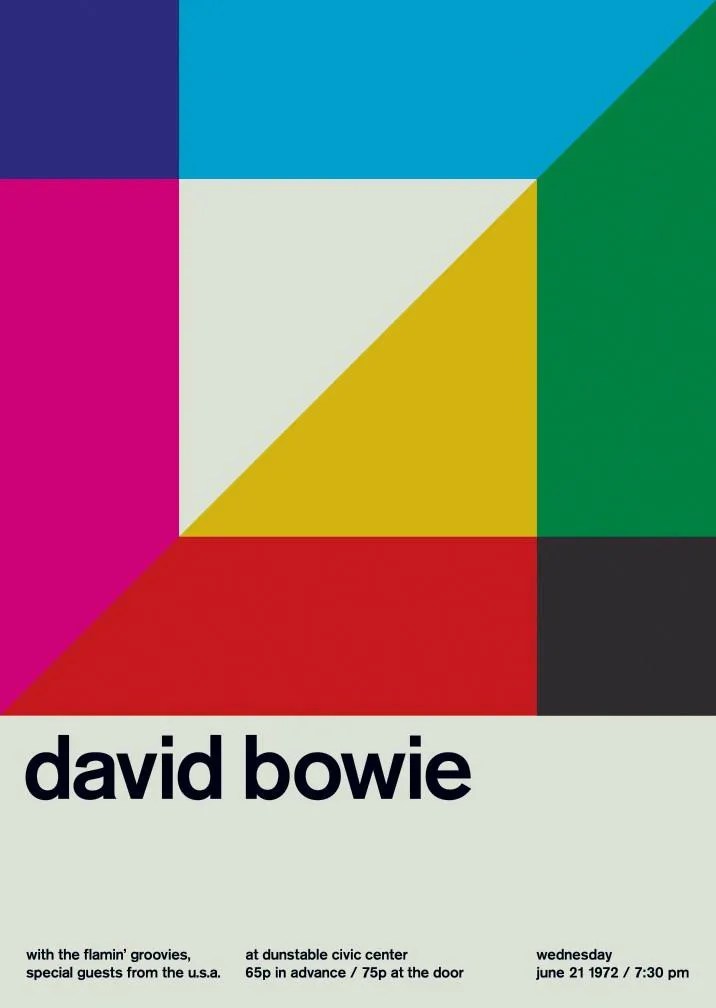


who what where when why???
So basically, this style originated in Switzerland (obviously!!!) in the 20th century. Specifically: after World War 2. During the war many countries invested much more into their traditional design cultures instead of looking towards others. After the war this trend shifted and countried began to look at countries that were neutral during the war like: Switzerland!!! This is why we see Swiss design language all over the globe.

Designers who fled to Switzerland to wait out the war established a designs that emphasized minimalism through: color, icons, and type. Designers like: Josef Müller-Brockmann, Max Miedinger, and Massimo Vignelli were the prominent figures of this time period.
okay… so what?
Even today we’re able to see the effects of Swiss design in almost every industry. Think of products you see in any store. How do you envision them being advertised to you? Probably simple packaging, bold letters, and a limited color palette. All of these pillars of Swiss design language! Of course this comes with its drawbacks: everything looks the same now! Nonetheless lets take a look at 2 examples.

Teenage Engineering
Teenage Engineering is a design firm and manufacturer of electronics. They are from Sweden which is on the other side of Europe, but even still we see characteristics of Swiss design. Simple, bold, and clean. One of my favorites from them is their tape recorder. A fragment from the past, but I believe we are inching closer and closer to a society thats doesn’t use their phone for EVERYTHING. Notice the clear icons, 2 colors, and the overall simple shape of the device.


Now for a poster example! This is a poster advertisement for the contemporary art gallery Kunsthalle Basel located actually in Switzerland! This was designed by another influential artist: Armin Hoffman. It was made for the exhibition of artworks by: Hans Aeschbacher, Max Bill, Walter Linck, Robert Müller. Notice again the: 2 colors, simplicity, and straight to the point man!!
all in all
The lasting impact of Switzerland can be seen in every field of design. It’s truly incredible how practices from a different era can still be relevant in the modern day.